Wondering when to put your Litchfield Park home on the market? You are not alone. Timing can shape your days on market, your final price, and even how many qualified buyers walk through your door. In this guide, you will learn how local seasonality works in Litchfield Park, which months tend to deliver the strongest results, and how to prepare in the next 3 to 6 months so you can list with confidence. Let’s dive in.
Why timing matters in Litchfield Park
Litchfield Park follows broader Phoenix metro patterns. Buyer traffic usually rises in late January and often peaks from February through April. That window lines up with families planning spring moves and buyers who want to close before summer.
From November through March, seasonal residents known as snowbirds return to Arizona. Their presence can boost interest in certain property types, including single-level or low-maintenance homes. Summer can be mixed. Extreme heat can make showings harder, while relocations and school-year timing still drive some sales. Fall often sees lighter listing and open-house activity, though motivated buyers are still in the market.
Local factors also matter. Litchfield Park is a small, low-inventory city. Even a few new listings can shift the feel of the market. Golf and resort activity near the Wigwam can influence demand at certain times. Many neighborhoods have HOAs, so signage, drone photos, or open-house rules can affect your marketing plan and timing.
Best months to list
Late January to April
This is the primary listing window for most sellers. Buyer traffic and intent are typically strongest. Families often start shopping in late winter so they can move before summer break, which can support faster sales and competitive pricing.
November to March
Snowbird season can expand your buyer pool if your home appeals to seasonal residents or retirees. Single-level layouts, low-maintenance landscaping, and proximity to recreation can stand out. If your ideal buyers are in-state during this period, a winter listing can perform well.
Summer and fall
Summer showings can be more challenging due to heat, but job relocations and timeline-driven moves still happen. Fall tends to be quieter for listings and open houses. You can still sell well if you price strategically and present the home at its best.
Personal factors that shift your “best time”
- Your timeline: If you need to sell quickly, listing sooner with the right price and presentation can beat waiting.
- Inventory levels: If local inventory is unusually low, even off-peak months can deliver strong demand.
- Home condition: Take time to complete key repairs. A polished home often sells faster and for more.
- School calendar: If you expect family buyers, plan to be under contract by late spring or early summer.
- HOA or events: Check community rules and avoid conflicts with events that limit showings or parking.
3–6 month seller timeline
3–6 months out
- Market check and agent selection: Request a local CMA and recent trends for Litchfield Park. Interview a few neighborhood-experienced agents and ask about seasonality, days on market, and buyer profiles.
- Repairs and inspections: Consider a pre-listing inspection to spot issues. Prioritize HVAC service, roof checks, pool equipment service, and termite or pest inspections.
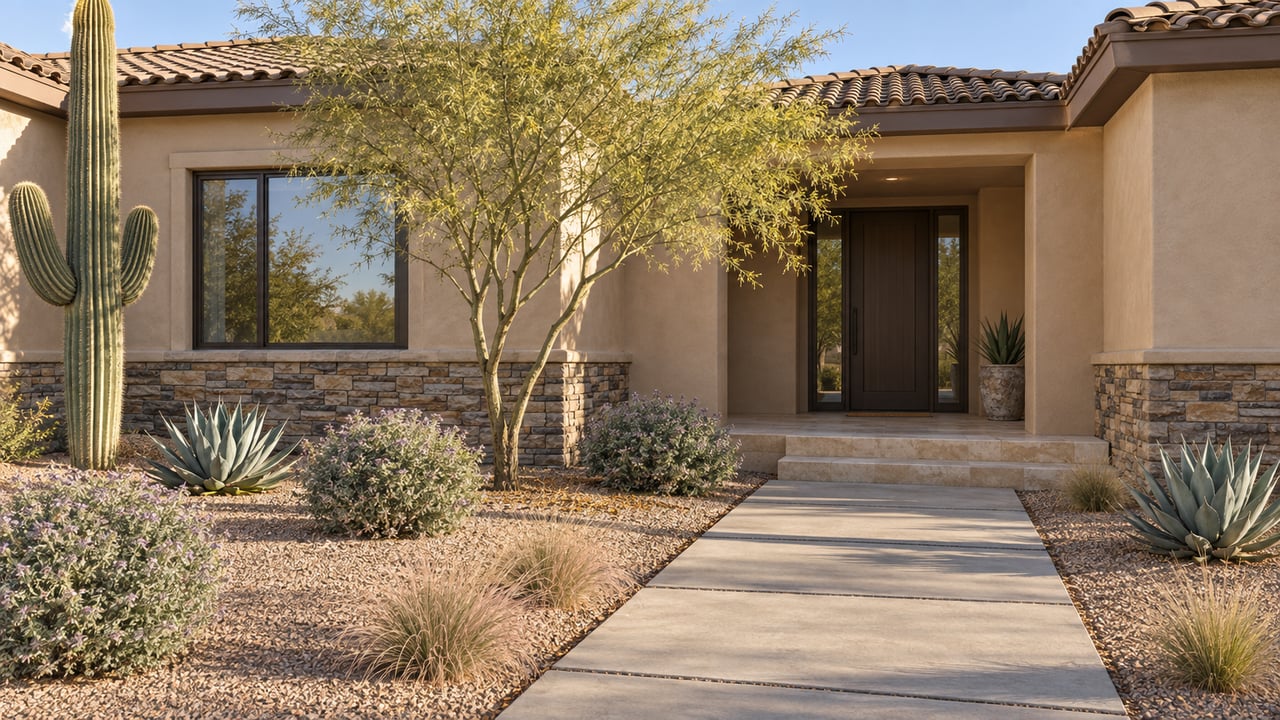
- Exterior and curb appeal: Refresh paint on trim or doors, repair any visible exterior defects, and make sure roof tiles are intact. Tune up irrigation and consider tidy, low-water landscaping.
- Paperwork prep: Gather HOA documents, utility bills, permit history, warranties, and receipts for improvements.
2–3 months out
- Declutter and staging plan: Remove excess furniture and personal photos. Aim for a bright, neutral look. Consider a stager familiar with Phoenix-area buyers.
- Smart upgrades: Repaint in light neutrals, update lighting, replace dated hardware, and deep clean or replace worn carpet.
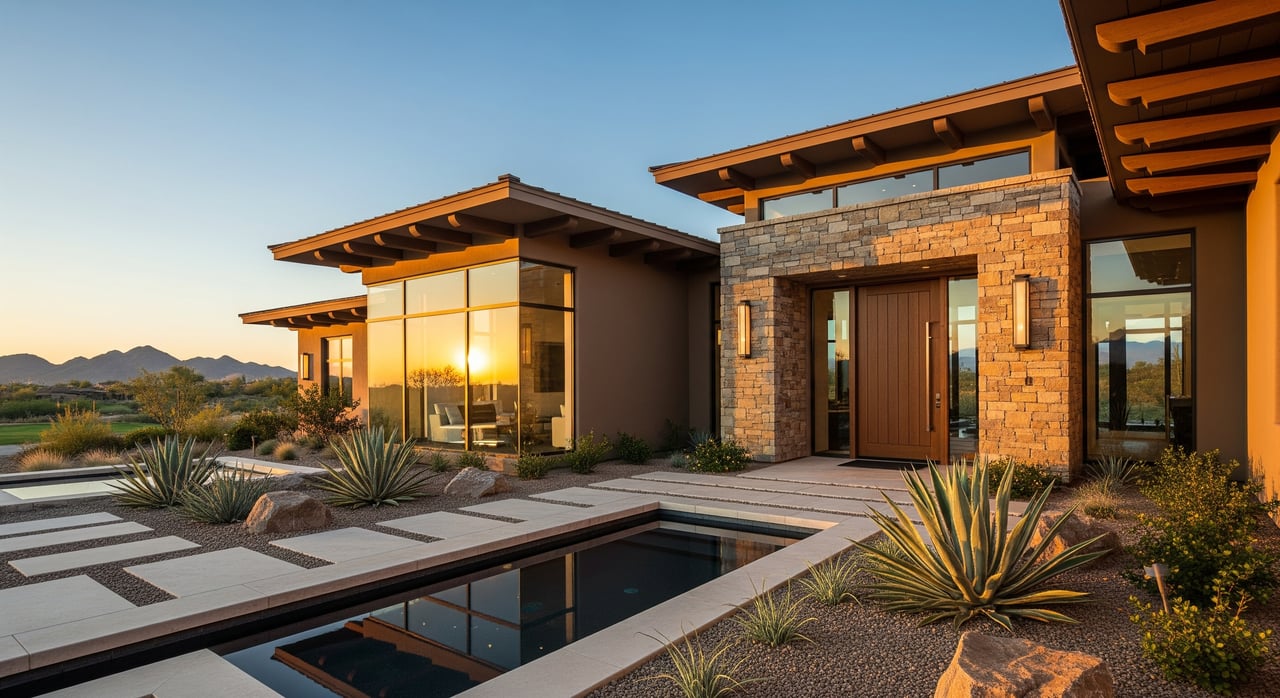
- Visual marketing prep: Schedule professional photography and twilight shots to show outdoor living spaces. Add drone photos if the lot and HOA rules allow.
- Pricing strategy: Work with your agent to set a price aligned with current inventory and demand.
1 month to 2 weeks out
- Finish touch-ups: Complete a deep clean, finalize staging, and handle minor cosmetic fixes.
- Pre-market preview: Consider an agent preview to collect early feedback.
- Showing logistics: Confirm your showing availability and any HOA rules for signage or open houses.
- Disclosures: Prepare the Seller’s Property Disclosure and, if applicable, lead-based paint documents for homes built before 1978.
Week of listing
- Showing-ready comfort: Set the AC to a comfortable temperature and have pool and patio areas sparkling.
- MLS launch: Confirm accurate MLS entry, lockbox placement, and virtual tours.
- Marketing push: Coordinate social marketing, email outreach, and open houses for peak weekend traffic.
Price, marketing, and staging strategy
Pricing and offers
In a strong spring market, a slightly conservative price can attract more buyers and increase your odds of multiple offers. Your approach should reflect current inventory and interest rates. Expect standard contingencies like appraisal gaps, repair requests, or timing negotiations to align with your move.
Marketing that works locally
- Professional photos with twilight exteriors to showcase outdoor living.
- Virtual tours and floor plans, which help out-of-state and seasonal buyers.
- Targeted outreach to local relocation networks and golf or resort-adjacent audiences.
- Weekend showings during late winter and early spring when buyer traffic is highest.
Features to highlight
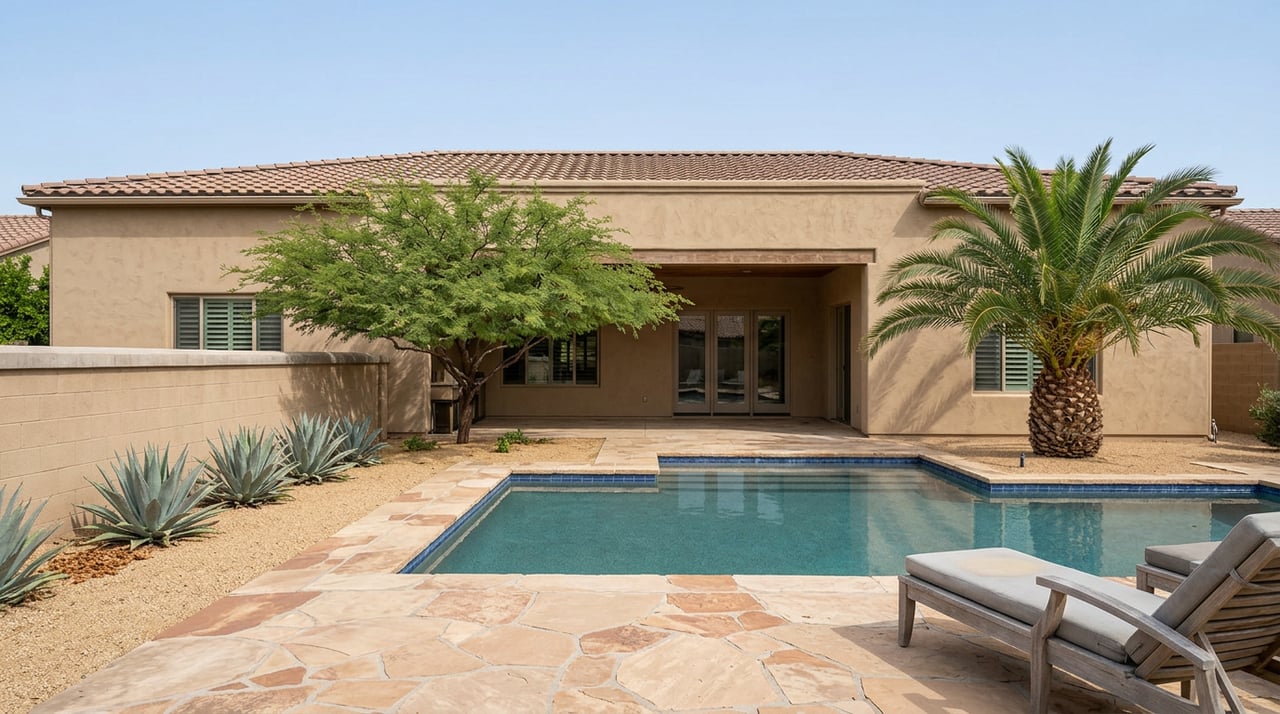
Focus on what Phoenix-area buyers value. Pools, shaded patios, and outdoor kitchens are big draws. Inside, flexible guest rooms and home offices appeal to many buyers. Emphasize energy efficiency, updated HVAC systems, newer windows, and water-wise landscaping.
High-ROI improvements
Fresh interior paint, cosmetic kitchen updates, and modern lighting give strong visual impact. Service or replace aging HVAC if needed. Address pool maintenance or resurfacing. Improve curb appeal with clean, low-water landscape design.
Legal, HOA, and logistics checklist
- Disclosures: Arizona sellers must disclose known material defects. Use standard forms with your agent.
- HOA rules: Order the HOA resale package early. Check rules for signs, open houses, and drone photography.
- Permits: Compile records for additions or major work. Disclose any known unpermitted items.
- Closing logistics: If you need to buy and sell, discuss timing options and a bridge plan with your agent. Movers book fast in late spring, so schedule early.
When to list now vs. wait
List now if local inventory is thin, your home is in show-ready condition, or you have a relocation deadline. Consider waiting a few weeks if you can align with the late January to April window, or if key repairs will meaningfully improve your home’s presentation and price.
Next steps
Every home and timeline is unique. If you are considering a move in the next few months, start your plan now so you can target the strongest window with a polished, market-ready home. For an MLS-backed pricing analysis, a seasonality strategy tailored to your neighborhood, and a practical prep plan, connect with Elizabeth Chionchio for a free local market consultation.
FAQs
What is the best time to sell a home in Litchfield Park?
- For most sellers, late January through April offers the widest buyer pool. Snowbird season from November to March can also boost interest for certain property types.
How does snowbird season affect Litchfield Park home sales?
- Seasonal residents in winter can increase demand for low-maintenance and single-level homes, which may support faster interest during that period.
How far in advance should I prepare my Litchfield Park home?
- Start 3 to 6 months ahead to handle repairs, staging, pricing, and HOA paperwork. This sets you up to hit the late-winter to spring window.
Is summer a bad time to sell in Litchfield Park?
- Not necessarily. Heat can reduce casual showings, but relocations and timeline-driven buyers still transact. Strong presentation and pricing are key.
How does Litchfield Park’s small market size impact pricing?
- With fewer comps, pricing requires close attention to neighborhood-level trends. Work with a local agent who understands nearby sales and inventory.
Should I fix issues or price my Litchfield Park home as-is?
- Minor repairs and clean, neutral staging often increase net proceeds. Use a pre-listing inspection to decide which larger items are worth addressing.